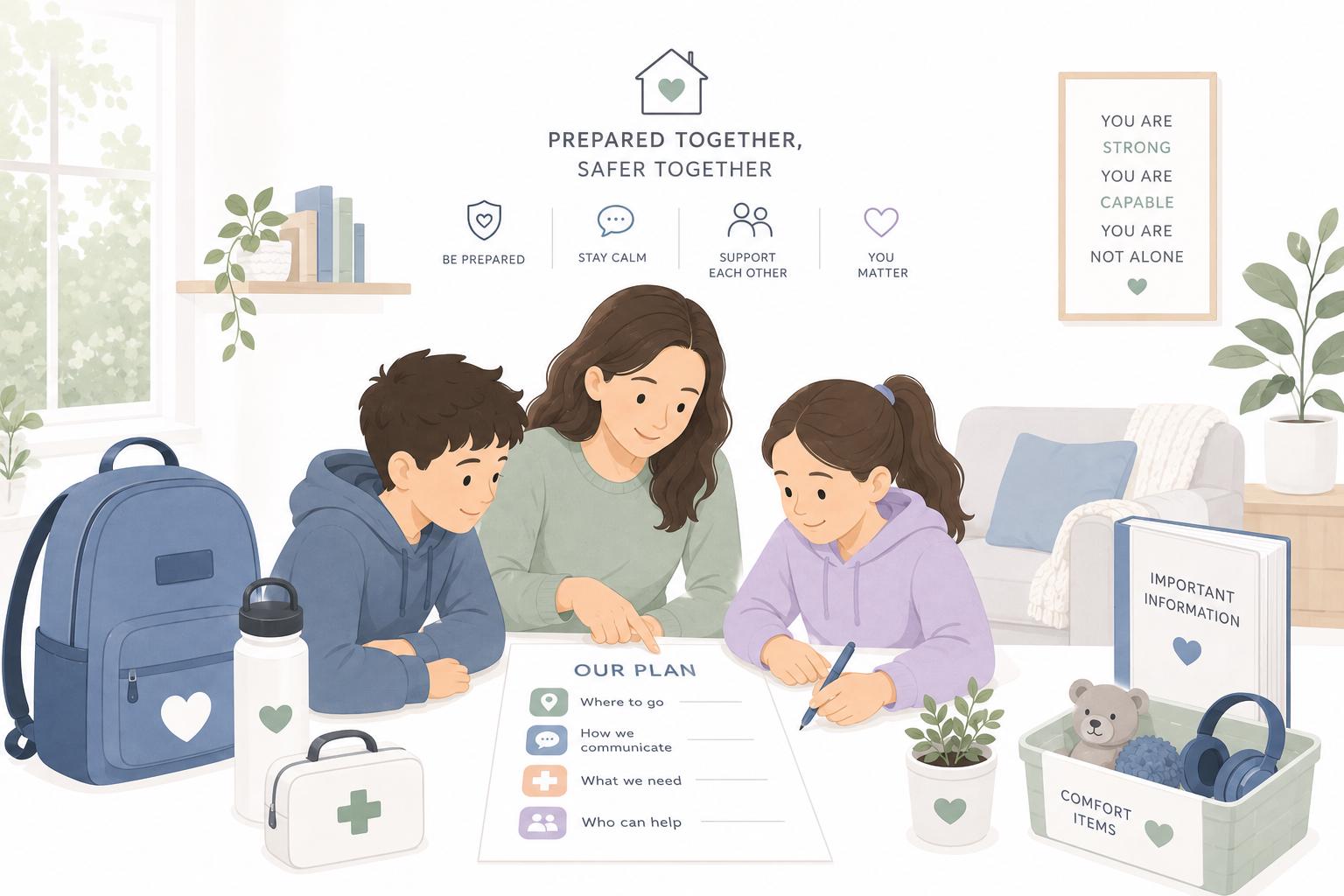
When most people think about emergency preparedness, they think about evacuation routes, emergency supplies, contact lists, and safety procedures. While these components are important, many emergency plans overlook something equally important: how people actually experience stress during emergencies.For many neurodivergent individuals, emergencies can create challenges that go far beyond the emergency itself. Sudden changes in routine, unfamiliar environments, loud sounds, crowded spaces, sensory overload, unexpected instructions, communication difficulties, and emotional overwhelm can quickly make already stressful situations feel even more difficult to navigate.This does not mean neurodivergent individuals are incapable of handling emergencies. It simply means emergency planning should consider how people process information, emotions, sensory input, and environmental changes during high stress situations. During emergencies, even neurotypical individuals often experience increased anxiety, confusion, communication difficulties, reduced memory recall, and slower decision making. Depending on the individual and the circumstances, these challenges may become even more pronounced for neurodivergent individuals.This is one reason preparedness is not only about supplies and procedures. It is also about creating systems that are easier to understand, easier to access, and easier to follow when stress levels rise. Simple preparedness considerations such as visual supports, organized emergency information, clear communication systems, familiar comfort items, sensory accommodations, predictable routines when possible, and designated support roles can help create calmer experiences during difficult situations.One of the biggest mistakes organizations make is assuming a single preparedness plan works equally well for everyone. Neurodivergent individuals have different strengths, communication styles, sensory preferences, support needs, and coping strategies. Effective preparedness systems recognize these differences and create flexibility wherever possible. A preparedness plan that works well for one person may not work well for another.Preparedness is often viewed as a way to reduce physical risk, but it can also help reduce uncertainty. When people understand what to expect, where to go, who to communicate with, and how support will be provided, stressful situations often become easier to navigate. That sense of clarity can make a meaningful difference for individuals, families, schools, autism centers, therapy clinics, childcare programs, and organizations that support neurodivergent populations.The strongest preparedness systems are not always the most complicated. They are often the systems that are easiest to understand during stressful moments. When emergency planning considers communication, sensory needs, emotional regulation, and human behavior under pressure, preparedness becomes more than a checklist. It becomes a tool that helps people feel safer, calmer, more supported, and better equipped to navigate challenging situations when they need it most.
Why Traditional Emergency Plans Often Miss the Needs of Neurodivergent Individuals